
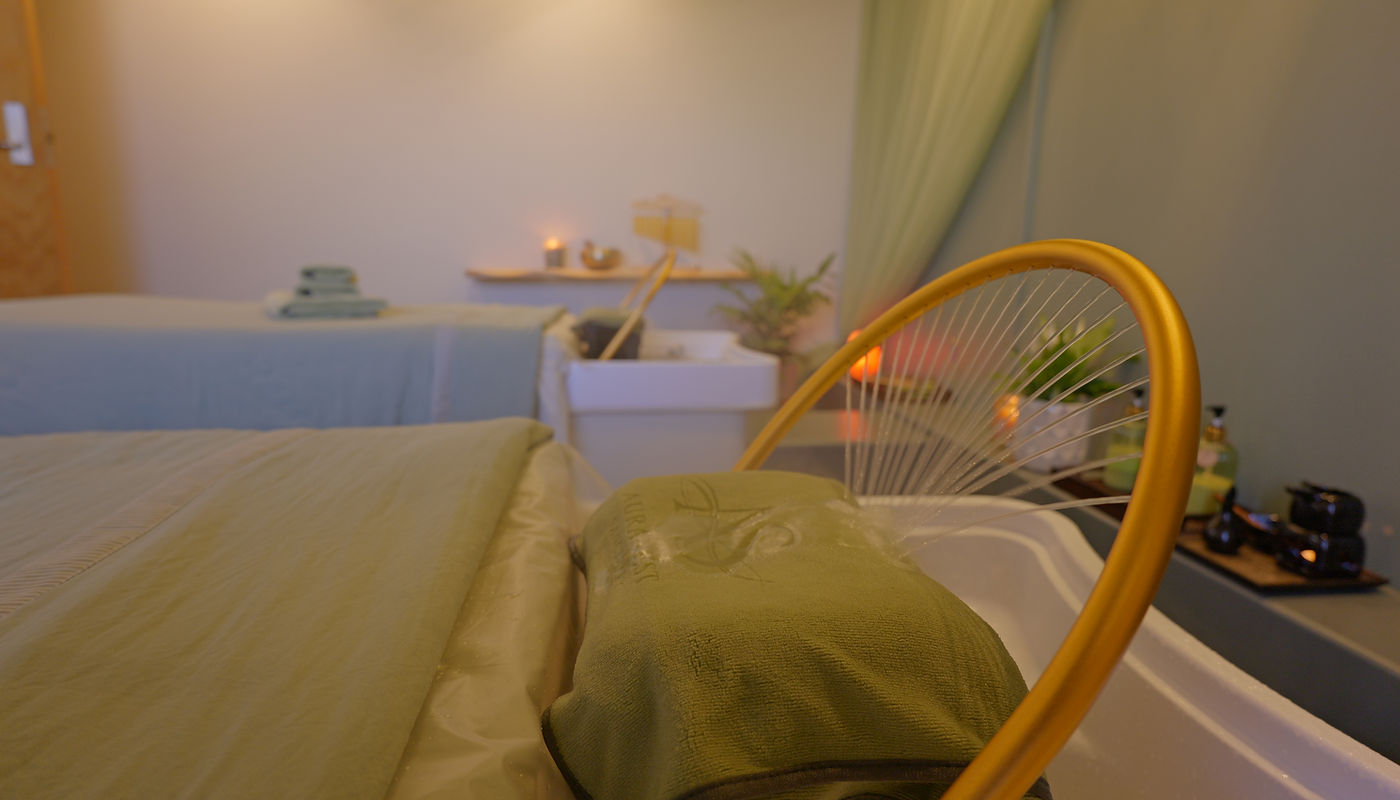
A head spa treatment does something that ordinary hair care rarely reaches. It clears buildup at the root, releases tension that's been held quietly for weeks, and restores the kind of balance that the scalp can't find on its own. But what happens between visits matters too. Scalp care at home in NZ doesn't need to be complicated or time-consuming. A few small adjustments to your routine can protect what your treatment restored and give your scalp a genuinely better environment to work from, day to day.
Why scalp care at home in NZ deserves more attention
Most hair routines focus on the strand, not the scalp. Conditioners, masks, and serums address what's visible. But hair health begins at the follicle, and the follicle lives in the scalp. If the scalp is congested, dry, tense, or out of balance, the hair it produces will reflect that, regardless of what you apply to the length.
Between professional treatments, the scalp is doing its own quiet work. Sebum is being produced, dead skin cells are accumulating, and the day's stress is landing somewhere. Giving that environment a little consistent attention makes a real difference to how your scalp feels and how well it responds when you return for your next ritual.
Gentle scalp massage: the simplest daily habit
You don't need any products for this. A few minutes of slow, deliberate scalp massage each day, using the pads of your fingertips rather than your nails, encourages circulation through tissue that spends most of the day under tension. Work across the scalp in small circles, moving from the hairline toward the crown and down toward the base of the skull.
This isn't about pressure. It's about movement. The scalp is covered in fascia, a connective tissue that tightens with stress and stays tight unless it's actively worked on. Regular gentle massage keeps that tissue more supple between treatments, which means your next professional session can go deeper rather than spending time releasing what accumulated since the last one.
How you wash your hair makes a difference
Shampooing is the part of a hair routine that most directly affects the scalp, and a few small changes can shift it from habit to genuine scalp care. Rinse with water before applying shampoo. This softens buildup and allows the cleanser to work more effectively. When you shampoo, focus on the scalp rather than the length, and use slow, circular movements rather than scrubbing.
Water temperature is worth considering too. Very hot water strips the scalp's natural oils and can leave it either overproducing sebum in response or dry and irritated. A warm rinse, finished with cooler water, is gentler on the scalp environment and helps the cuticle settle.
If you're using a lot of styling products, or if you exercise regularly, buildup happens faster than most people account for. A clarifying shampoo used occasionally, rather than every wash, can help manage that without over-stripping the scalp.
What to put on your scalp, and what to leave off it
Heavy oils and thick products applied directly to the scalp can contribute to the congestion that a treatment like our Purifying Root Ritual is designed to clear. If your scalp is dry, lighter options applied sparingly are more effective than coating the root. A small amount of a non-comedogenic oil worked into the scalp before washing, then rinsed out thoroughly, can support moisture without creating a barrier over the follicle.
For scalps that feel depleted or fragile between visits, the Silk Nourishment Ritual at Auranest Sanctuary restores that balance at a deeper level than anything you can replicate at home. Think of what you do between appointments as maintenance, not correction. The professional treatment is where the real restoration happens.
Stress, sleep, and what they do to your scalp
The scalp doesn't hold tension in isolation. It's connected to the neck, the shoulders, and the nervous system. When stress is high and sleep is disrupted, the scalp reflects that. Circulation decreases, sebum production can become erratic, and the fascia tightens. None of this is fixed by a shampoo.
Managing stress well between visits, even imperfectly, contributes more to scalp health than most products do. That means protecting sleep, building in moments of stillness where possible, and returning to the treatment room regularly enough that the body isn't starting from scratch each time. Our Aura Tension Relief treatment is especially useful for anyone who carries stress physically and notices it in the scalp, neck, and shoulders.
Book your ritual at Auranest Sanctuary in Chartwell, Hamilton. What you do between visits shapes how much each treatment can offer. A little consistent care at home, paired with regular professional rituals, is where lasting change in scalp health actually comes from.

